Quality Inspection
Vision models detect dimensional errors, surface defects, and packaging issues during production instead of post-production.

Industry 4.0
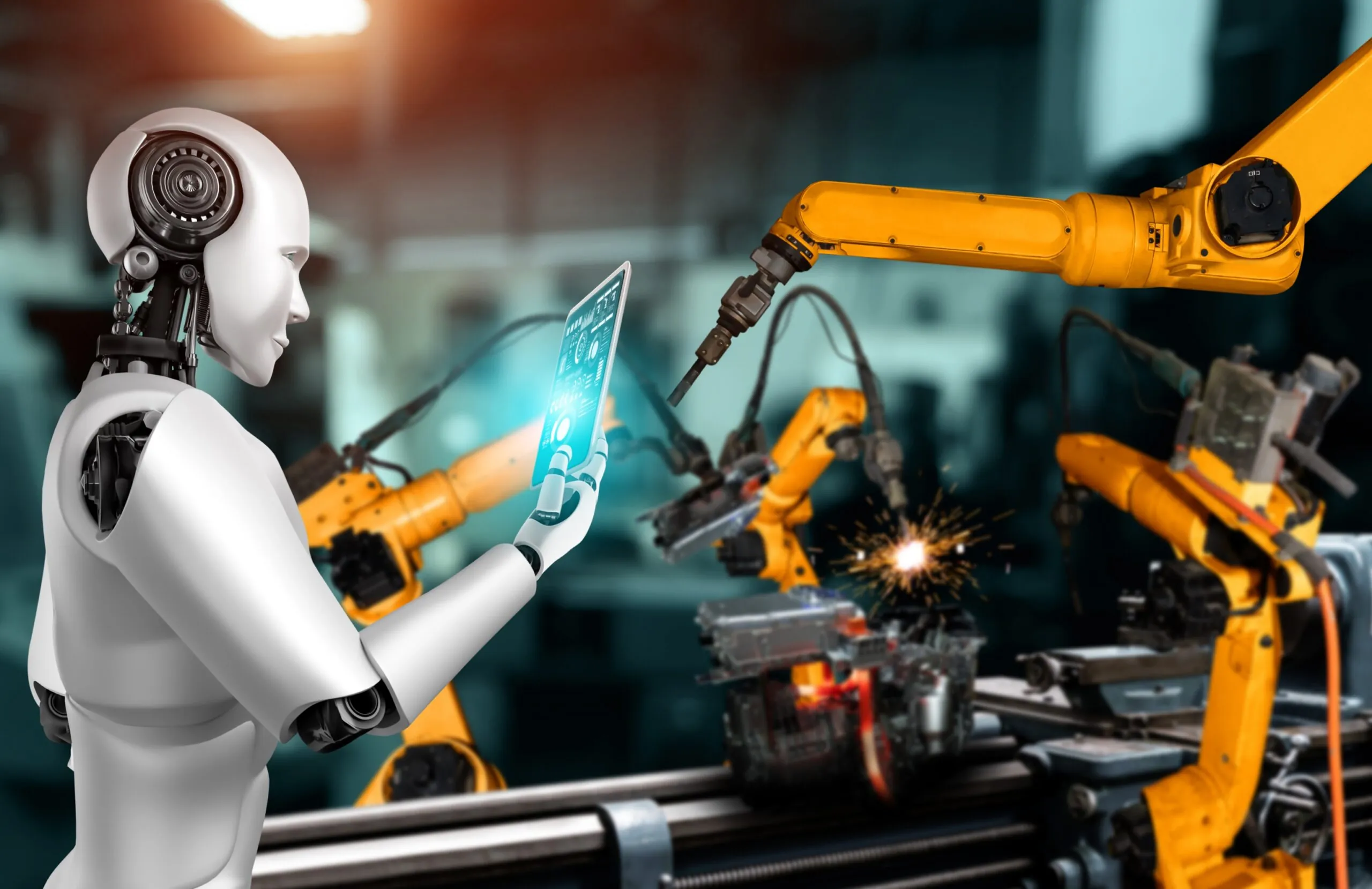
Industry 4.0 combines connected machines, real-time data, and AI-driven decisions. Computer vision plays a central role by turning visual production signals into immediate actions for quality, safety, and productivity.
99%+
Inspection Accuracy
-25%
Downtime Impact
-40%
Defect Escapes
Cameras and sensors capture continuous visual data from lines, workstations, and machine interfaces. AI models on edge devices analyze this stream in milliseconds to identify defects, non-compliance, and anomalies.
These detections feed directly into operations logic. The system can trigger alerts, stop actions, reroute parts, or raise maintenance tasks while also logging each event for traceability in MES and ERP workflows.
Quality Inspection
Vision models detect dimensional errors, surface defects, and packaging issues during production instead of post-production.
Safety Monitoring
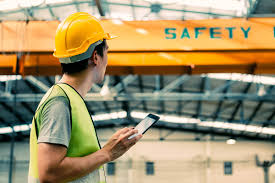
Real-time scene analysis checks PPE usage, restricted-zone access, and unsafe motion around active equipment.
Process Optimization
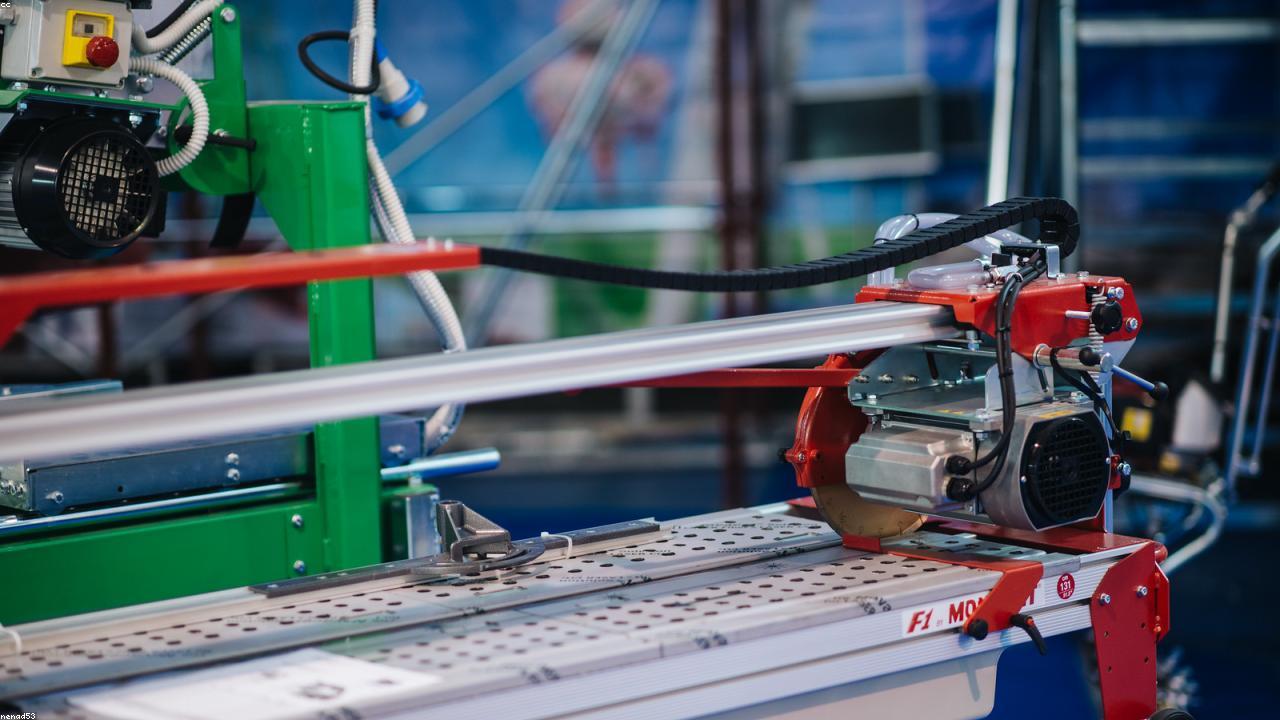
Continuous visual tracking highlights bottlenecks, cycle-time drift, and line performance losses.
Practical outcomes delivered by computer vision and Industry 4.0 intelligence.
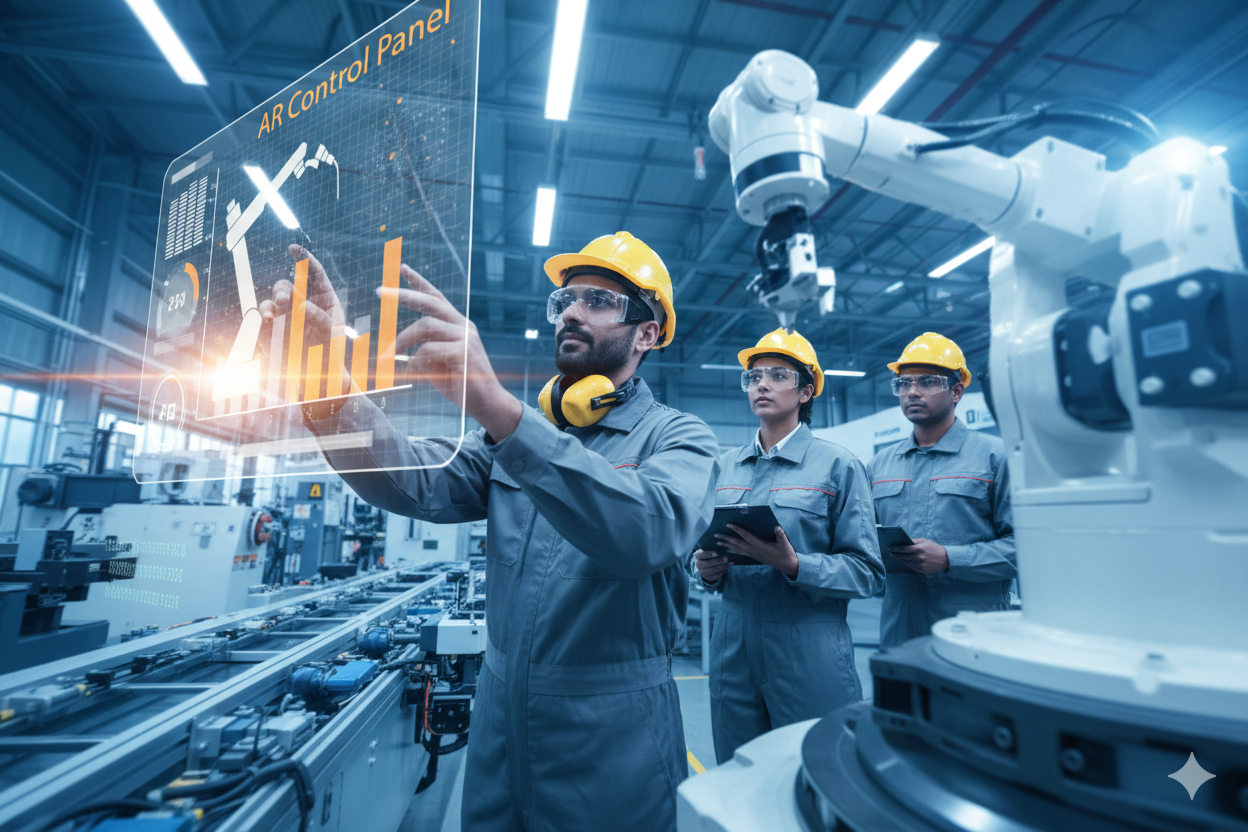
AI-powered monitoring predicts failures early, helping teams intervene before critical stoppages impact production.
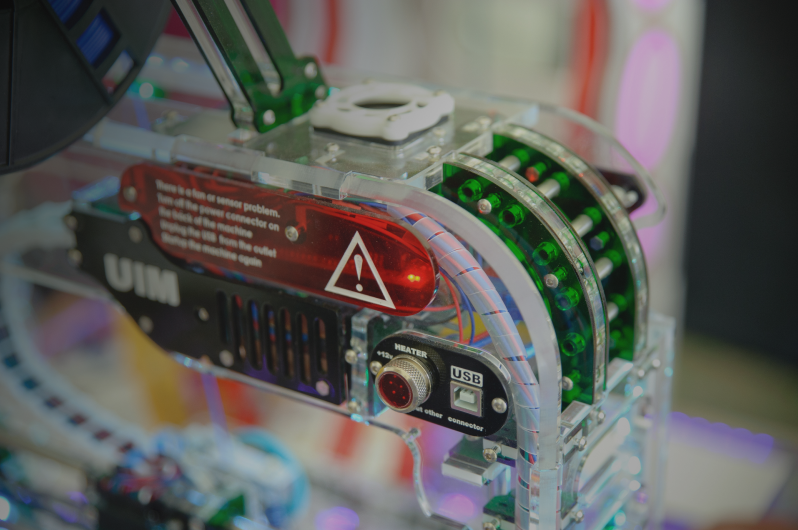
Anomaly detection and continuous diagnostics reduce unexpected breakdowns and improve service reliability.
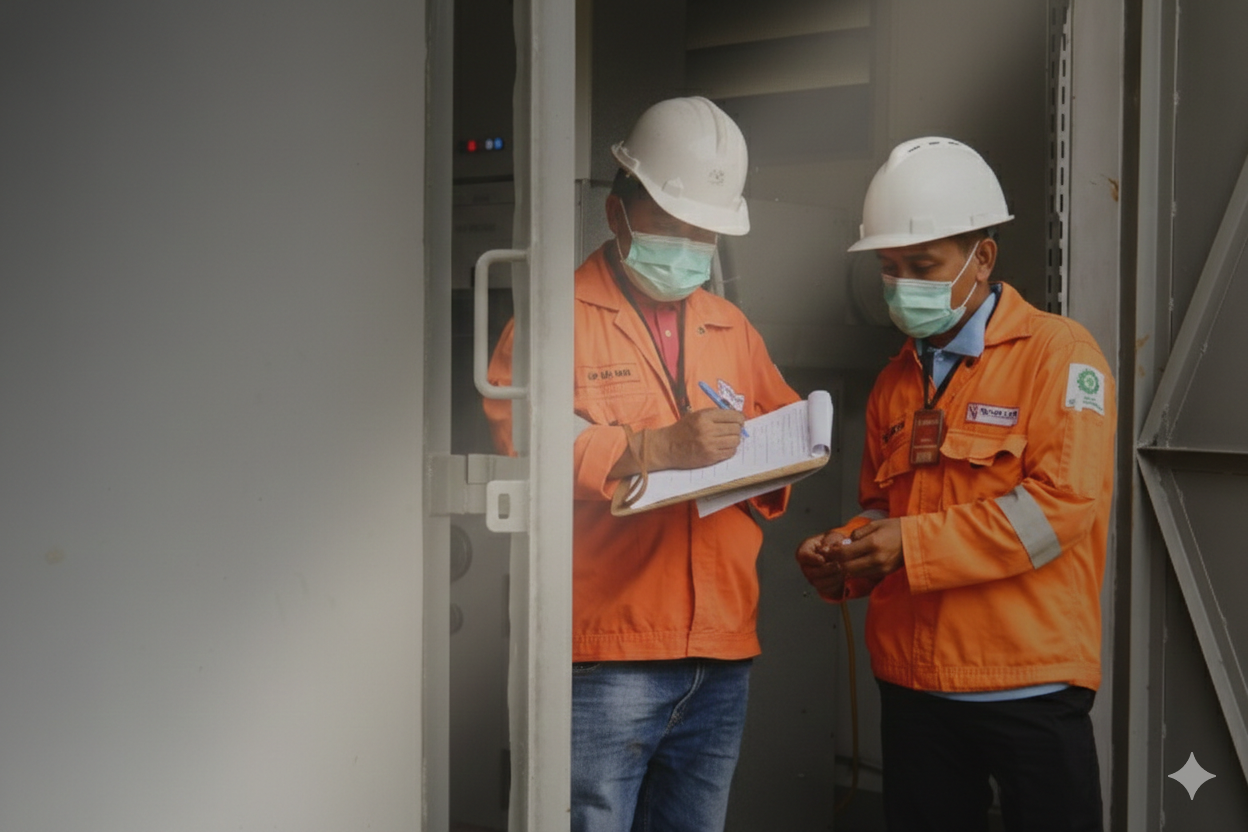
Smarter workflows and real-time insights help operators focus on high-value tasks with fewer manual checks.
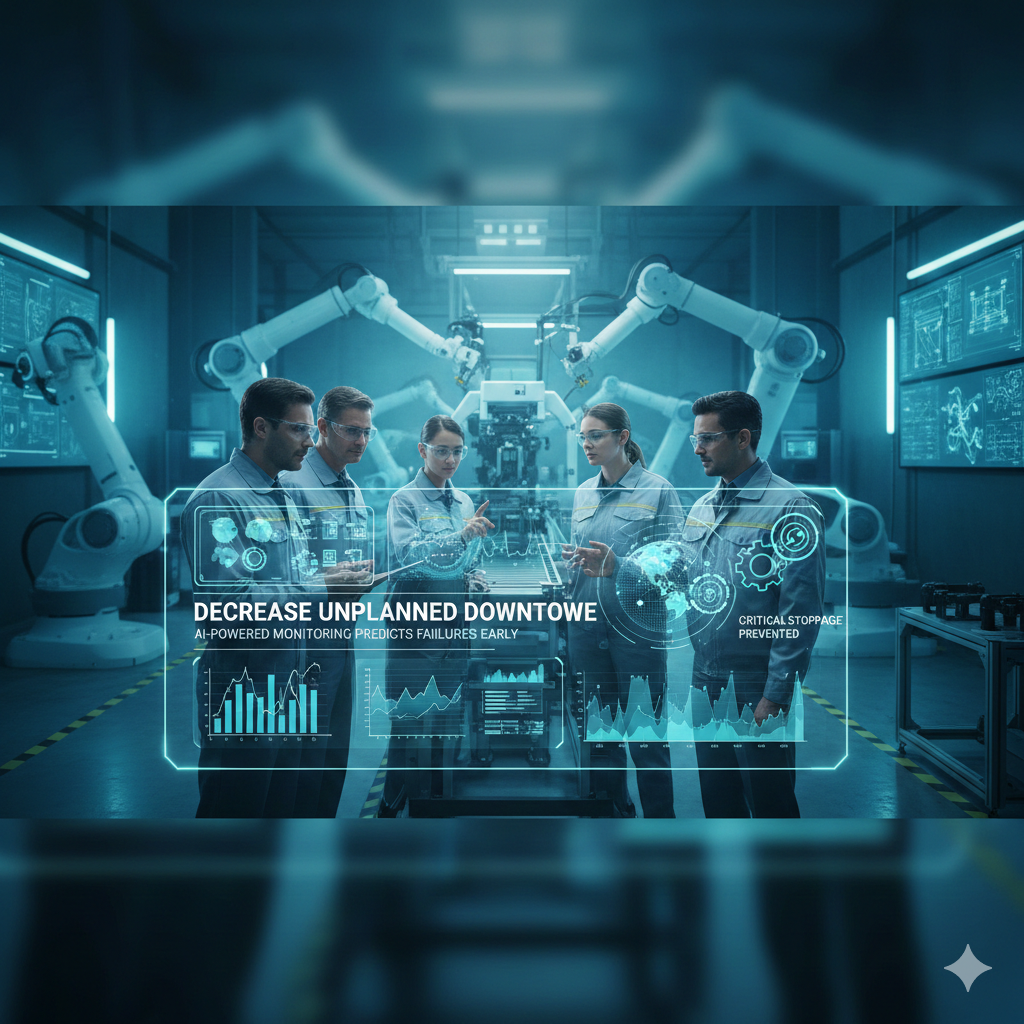
Remote diagnostics and condition-based service planning reduce unnecessary visits and maintenance overhead.
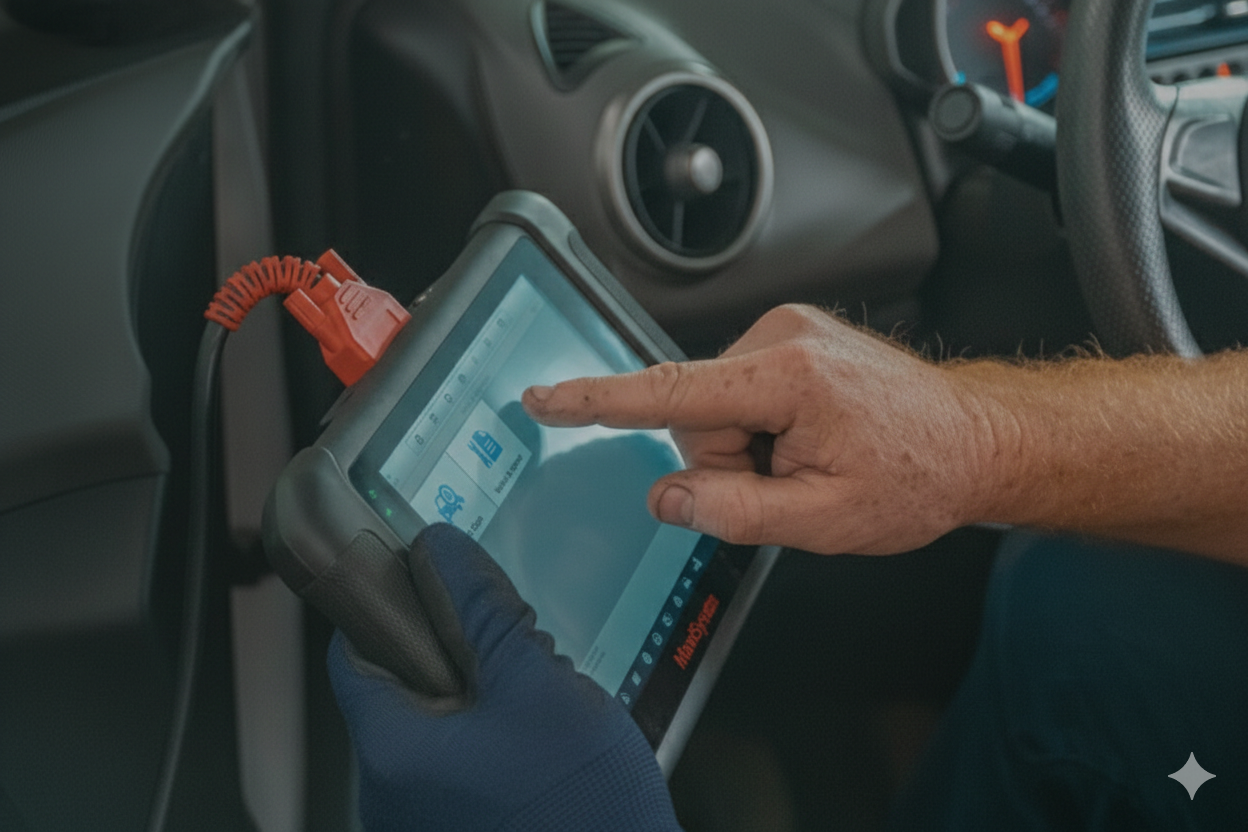
Unified dashboards track health and performance across assets, extending lifecycle and improving utilization.
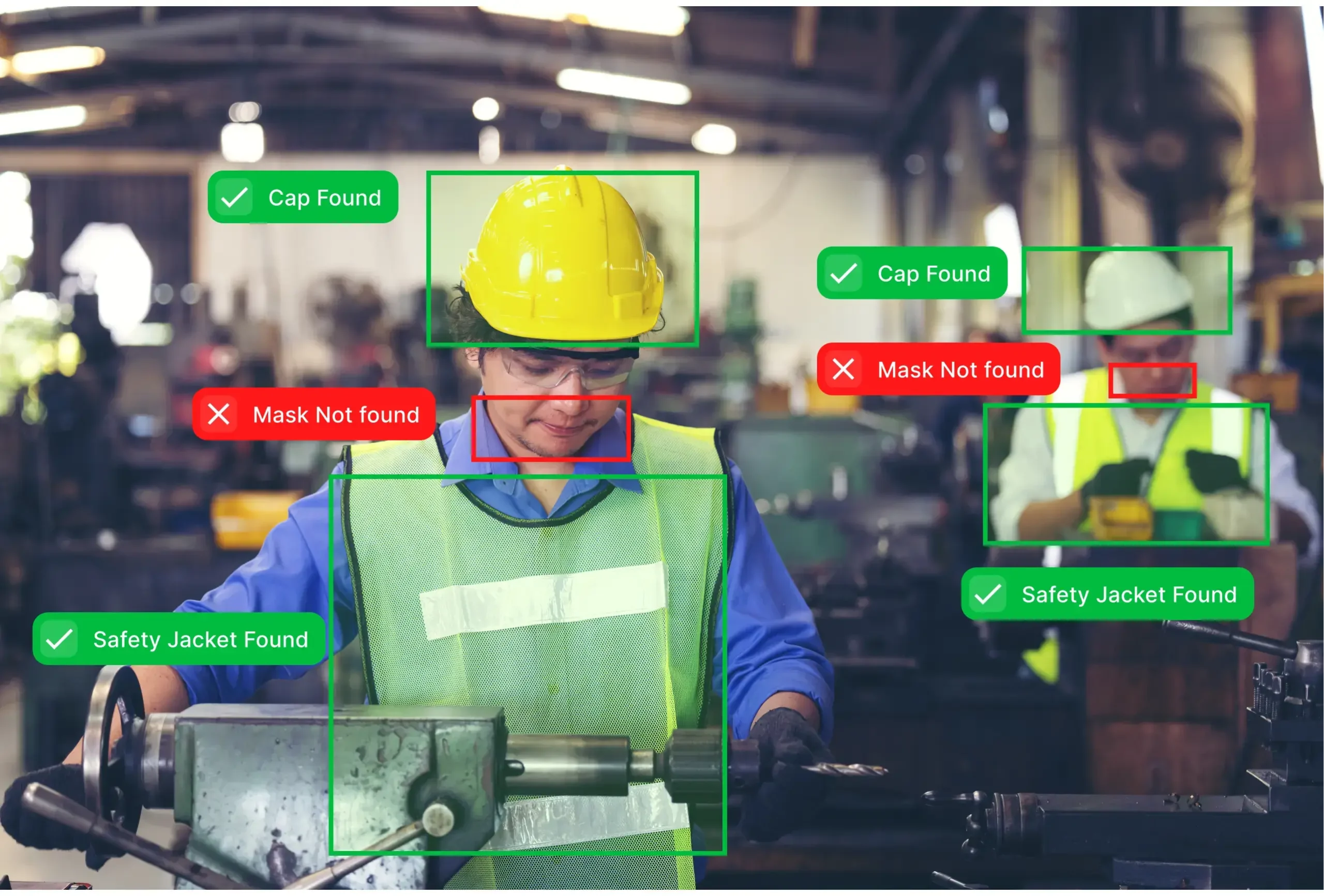
Vision-led safety checks in hazardous zones strengthen compliance, reduce risk exposure, and support safer operations.
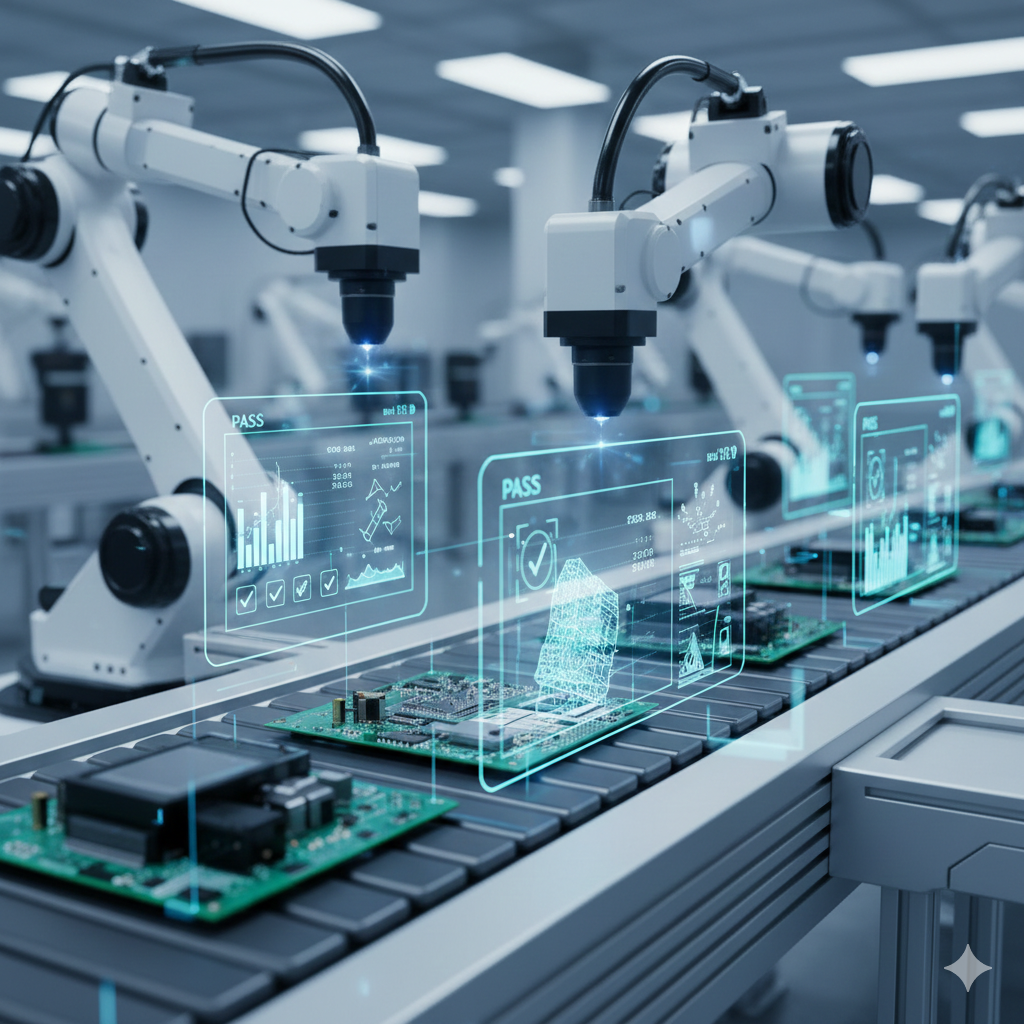
Integrated machine vision with robotics helps detect intrusion events and enforce safe zones around robotic cells.

Real-time monitoring and tracking reduce hazards across factories, construction zones, and industrial sites.
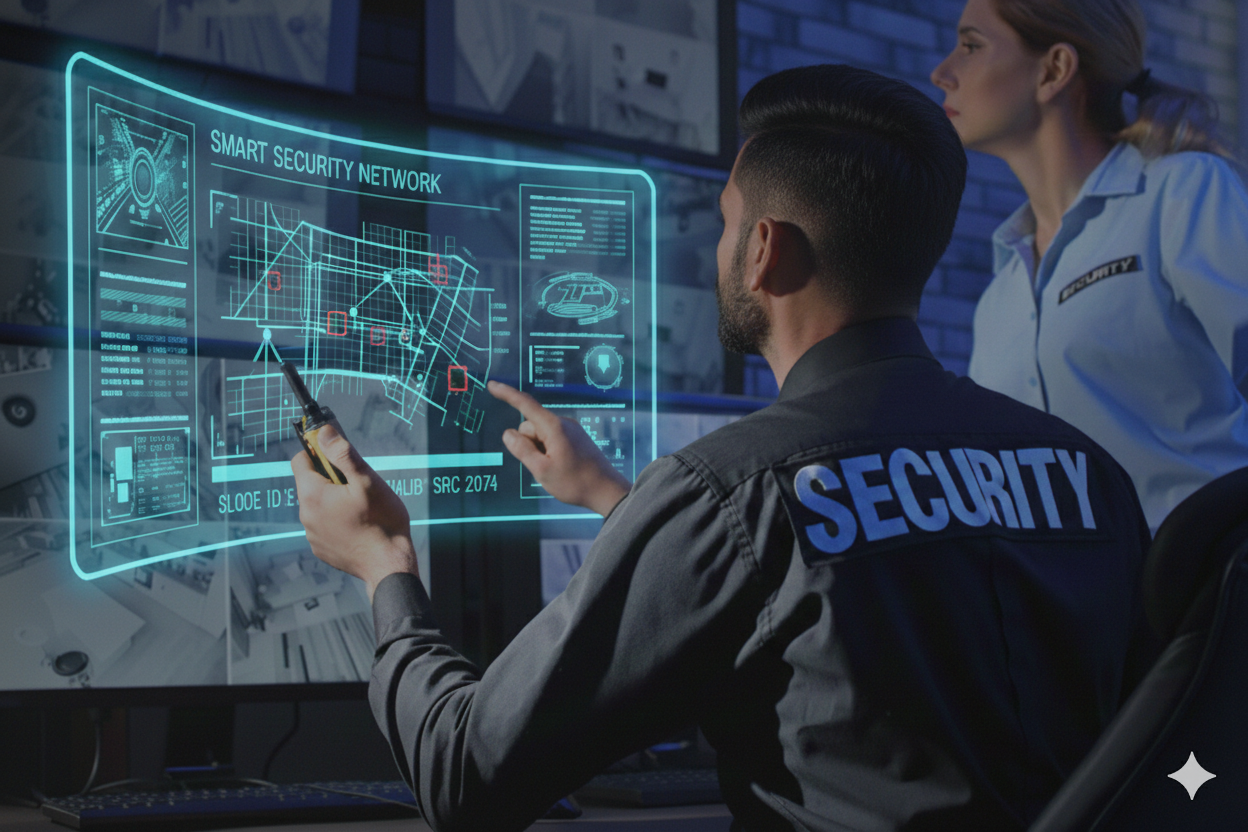
Video intelligence enhances visibility and incident response across warehouses, plants, and commercial campuses.
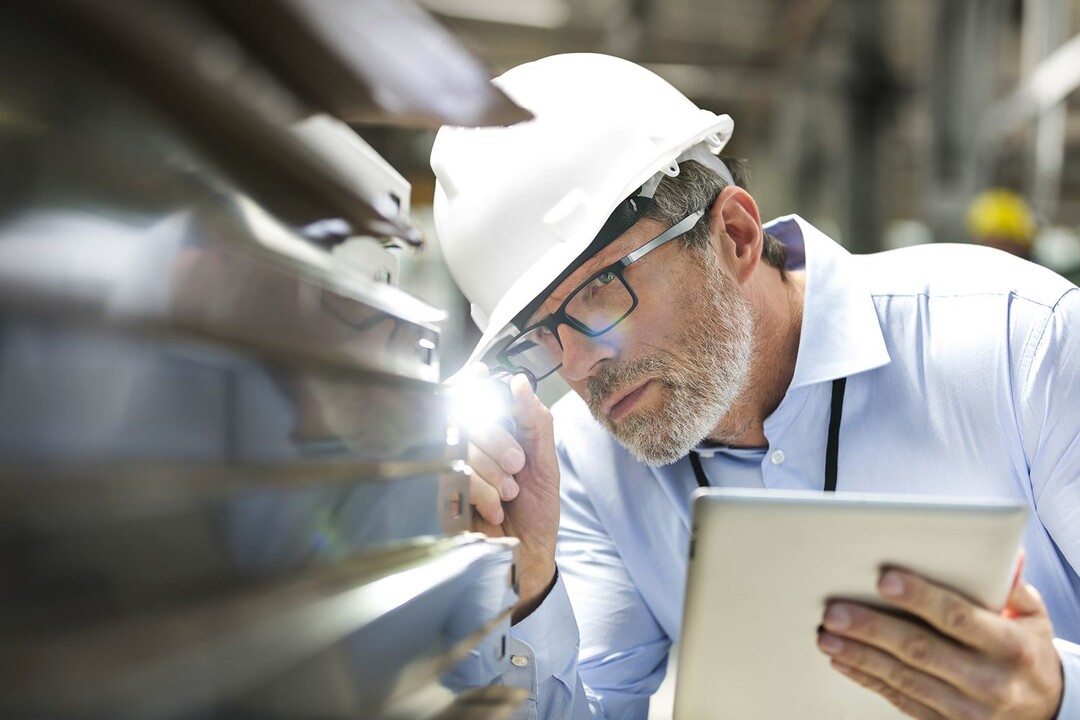
Automated object detection and classification improve consistency and accelerate root-cause discovery in production.
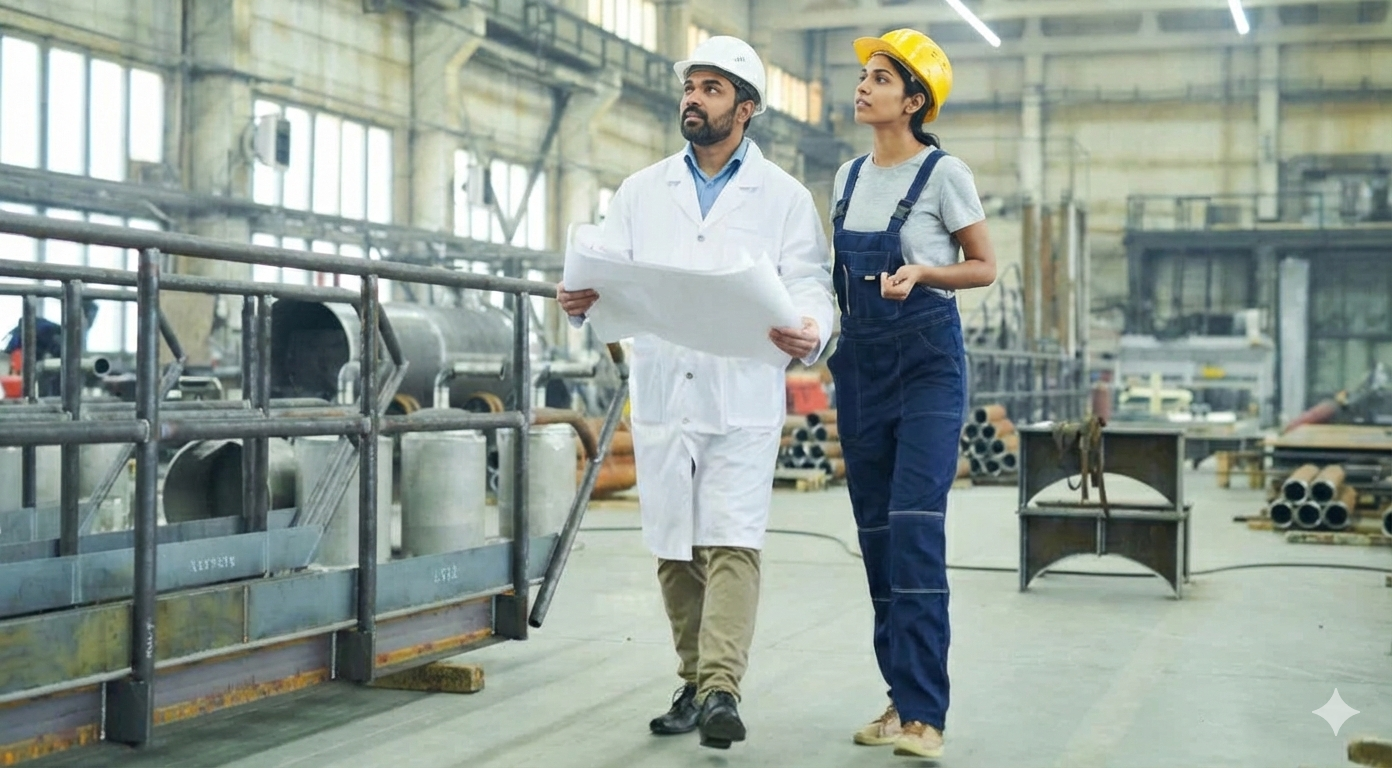
Behavior and footfall analytics support queue management, anomaly detection, and visitor experience optimization.
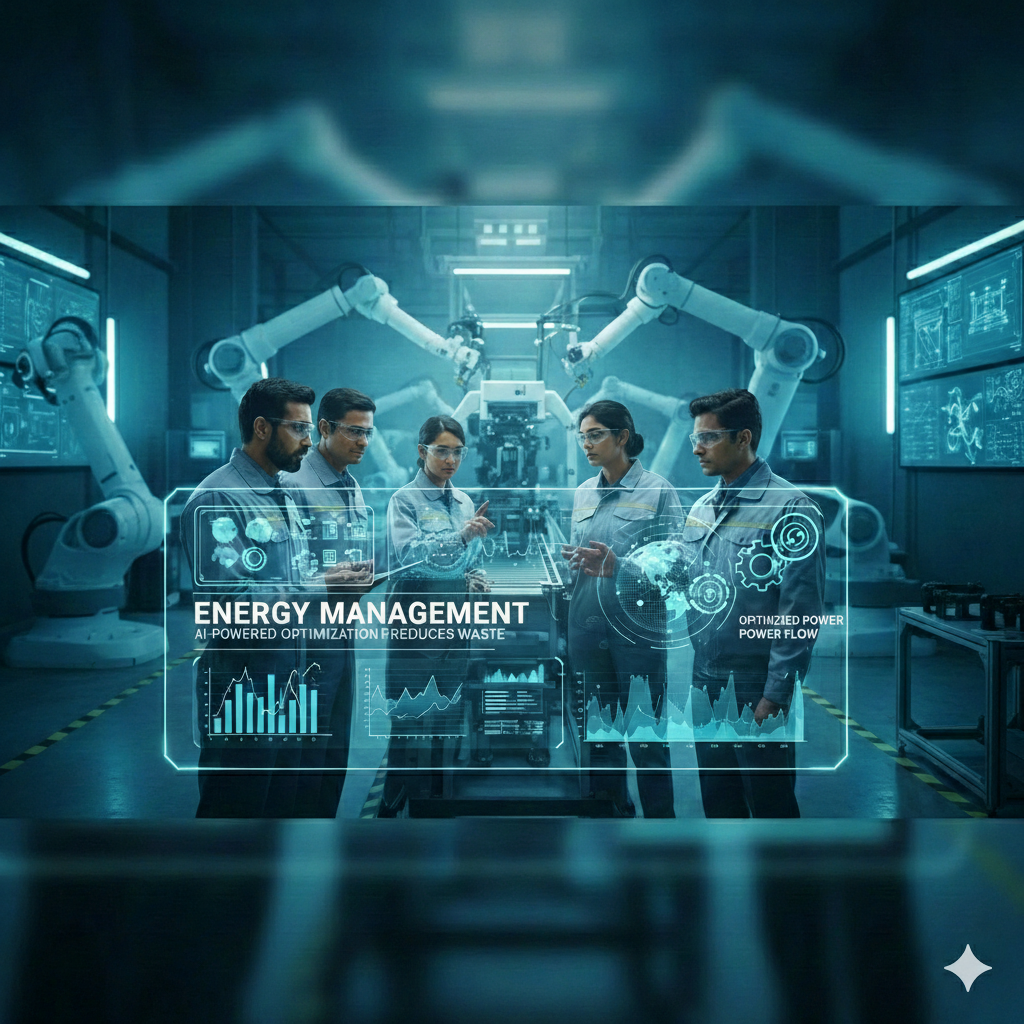
Optimize plant energy consumption with AI-driven insights for higher efficiency and lower operating costs.

Improve resource efficiency and sustainability by tracking emission-heavy operations and reducing wasteful patterns.

Continuously monitor critical power assets for early anomaly detection and predictive maintenance planning.
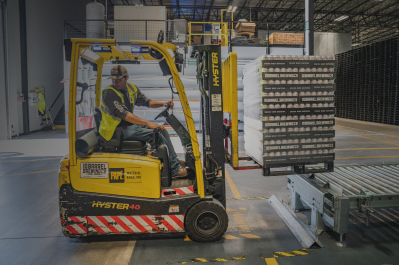
Gain supply-chain visibility to reduce stock costs while improving inventory availability and turnover.
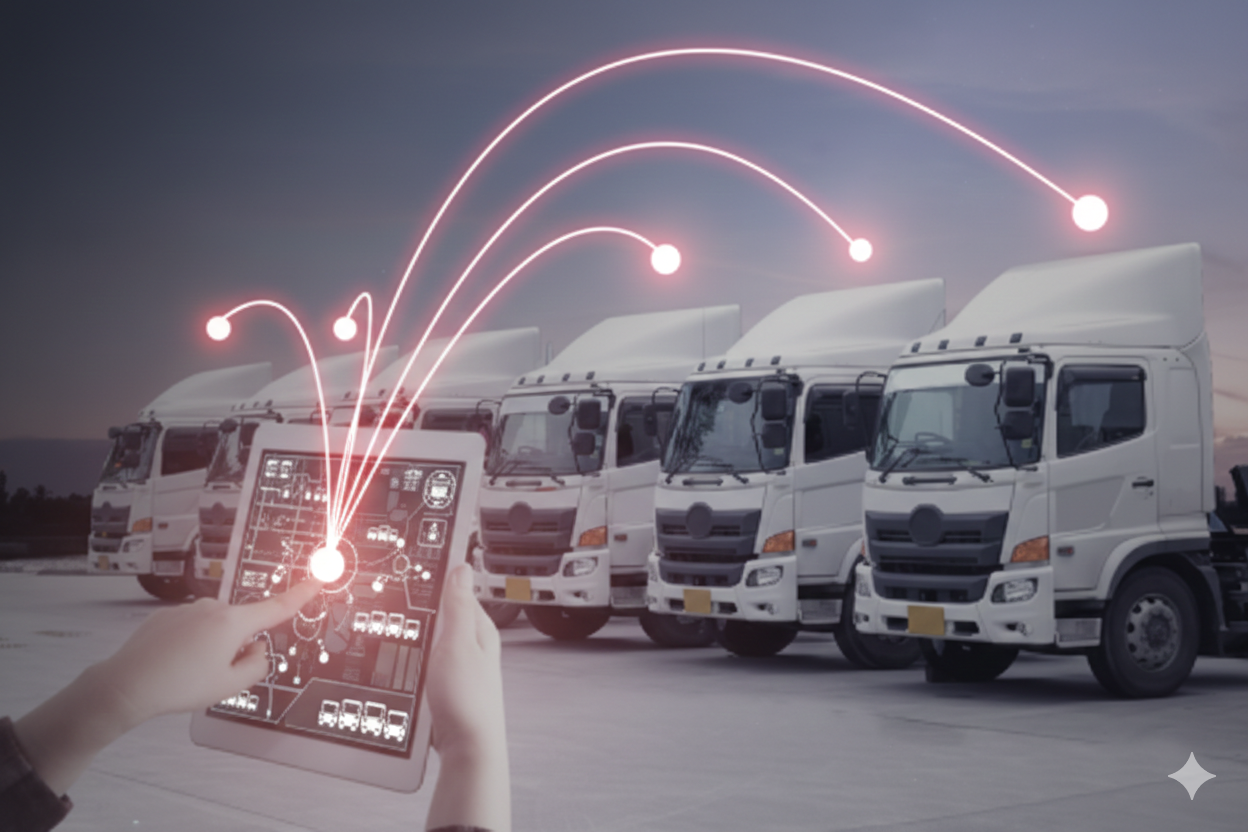
Improve fleet utilization and route efficiency with real-time status intelligence and proactive planning.
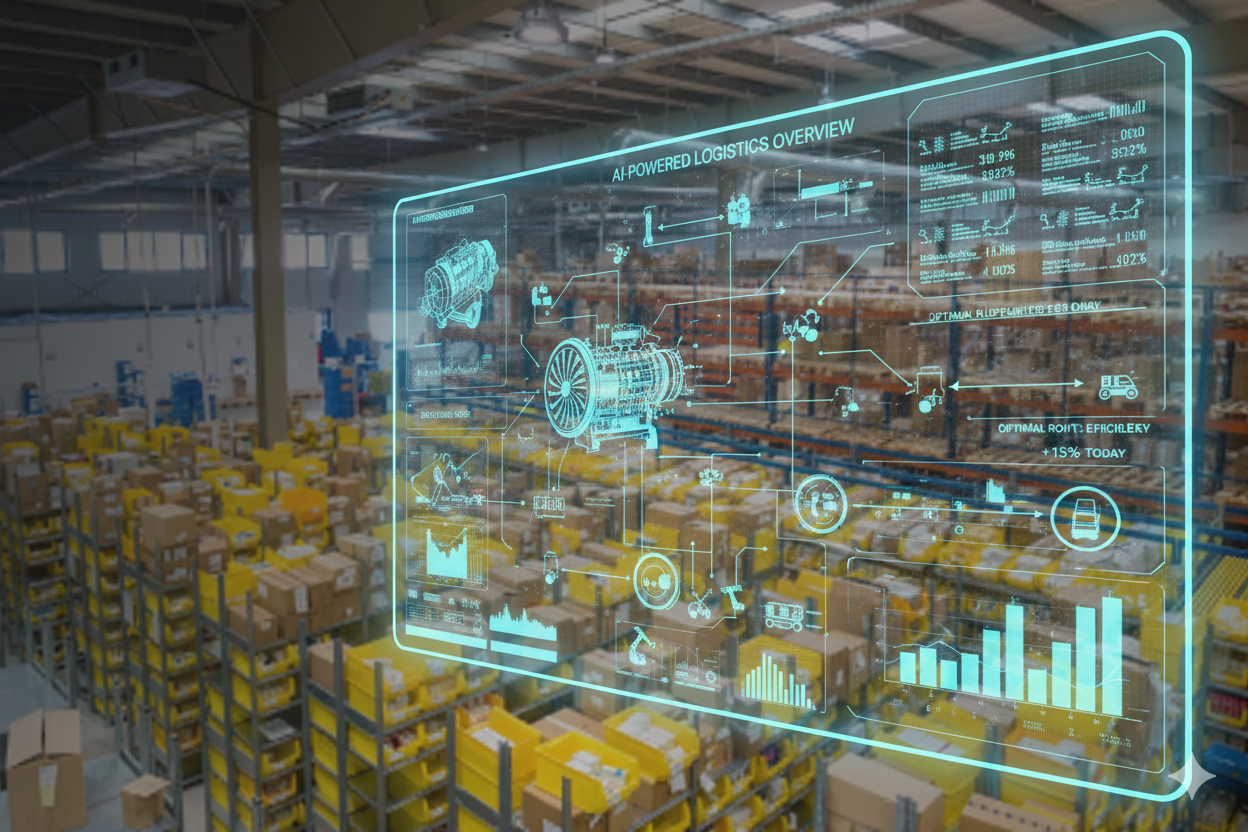
Streamline warehouse operations through smarter planning, movement visibility, and workload balancing.
IoT and vision-based condition tracking generates maintenance timelines that reduce breakdowns and downtime.
Measurable impact delivered through AI-driven operations intelligence.
Lower Rejection and Rework Rates
Improve first-pass quality with early defect detection and consistent inspection decisions.
Reduced Unplanned Downtime
Detect anomalies sooner and schedule corrective actions before breakdowns affect production.
Improved Traceability Across Operations
Maintain complete event trails from inspection to dispatch for better control and compliance.
Faster Root-Cause Analysis
Use visual evidence and timeline data to quickly isolate process bottlenecks and failure points.
Higher OEE and Throughput Stability
Stabilize line performance with real-time monitoring, alerts, and continuous optimization loops.
Discover our cutting-edge AI hardware solutions tailored for industrial applications. From edge computing to enterprise-grade systems, find the perfect hardware to power your Industry 4.0 initiatives.
Explore Hardware